

Microfishing changes the scale of a fishing session. Instead of needing a long cast, a boat, or a full afternoon, you can slow down beside a quiet edge and start noticing water that usually gets ignored.
Tiny water feels different because the goal is different. The point is not always a bigger fish. The point is seeing what lives close, learning how small fish move, and carrying a setup light enough that a short session still feels complete.
The point is not a bigger fish
Most fishing stories are built around size: bigger fish, longer casts, heavier tackle, more dramatic water. Microfishing goes the other direction. It asks what happens when you pay attention to fish that are small, local, and often overlooked.
That shift can make a familiar place feel new. A neighborhood pond edge can hold small species you have never looked for. A creek margin can become a puzzle of shadows, pockets, and slow seams. A canal wall can become a place to watch tiny movements instead of waiting for one big strike.
Small water changes how you look
With compact gear, you are not trying to cover everything. You are choosing a few feet of water and reading it closely.
Look for:
- calm edges beside weeds, rocks, or wood;
- slow seams where current softens;
- shallow pockets with small movement;
- shade lines and quiet corners;
- places where tiny fish can feed without fighting heavy flow.
Microfishing rewards that kind of looking. The more carefully you observe, the less random the water feels.
Why compact gear matters
The right gear makes tiny water easier to approach. A short fixed-line rod is simple to carry and quick to set up. A small rig keeps the presentation light. A sensitive float or indicator helps you see bites that would disappear with heavier tackle.
Compact gear also changes when you fish. A setup that fits in a bag can come along on a walk, a short trip, or a quick stop at local water. That is part of the appeal: less setup time, less bulk, and more attention to the session itself.
The quiet appeal of Tanago-style fishing
Tanago-style microfishing has a quiet rhythm. You watch the float, adjust the bait, move a little closer, and pay attention to what the fish are doing. It is not passive, but it is not loud either.
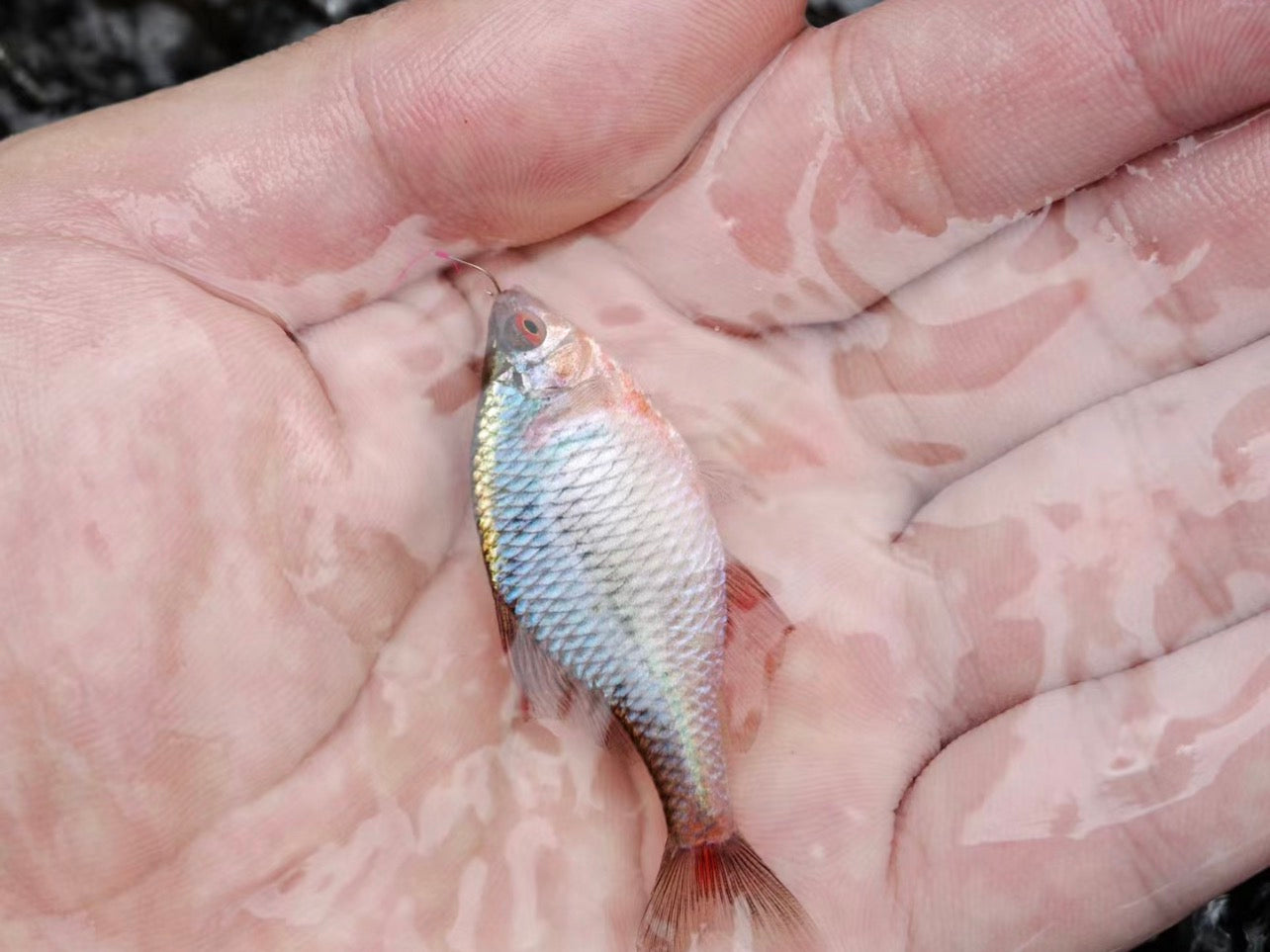
The best sessions often feel small in the right way. A clean presentation. A tiny bite. A careful look at a fish before release where allowed. A better understanding of one edge of water than you had before.
When microfishing fits your life
Microfishing is useful when a full fishing trip is not realistic. It fits:
- short evening sessions;
- travel kits;
- urban water;
- family walks near ponds;
- small creeks and canals;
- anglers who enjoy observation as much as catching.
It is also a good way to learn local water. You may start noticing species, behavior, and seasonal changes that bigger tackle never showed you.
What to bring first
Keep the first kit simple:
- a compact Tanago-style rod;
- one finished rig or tiny hook setup;
- a small float or indicator;
- microfishing bait;
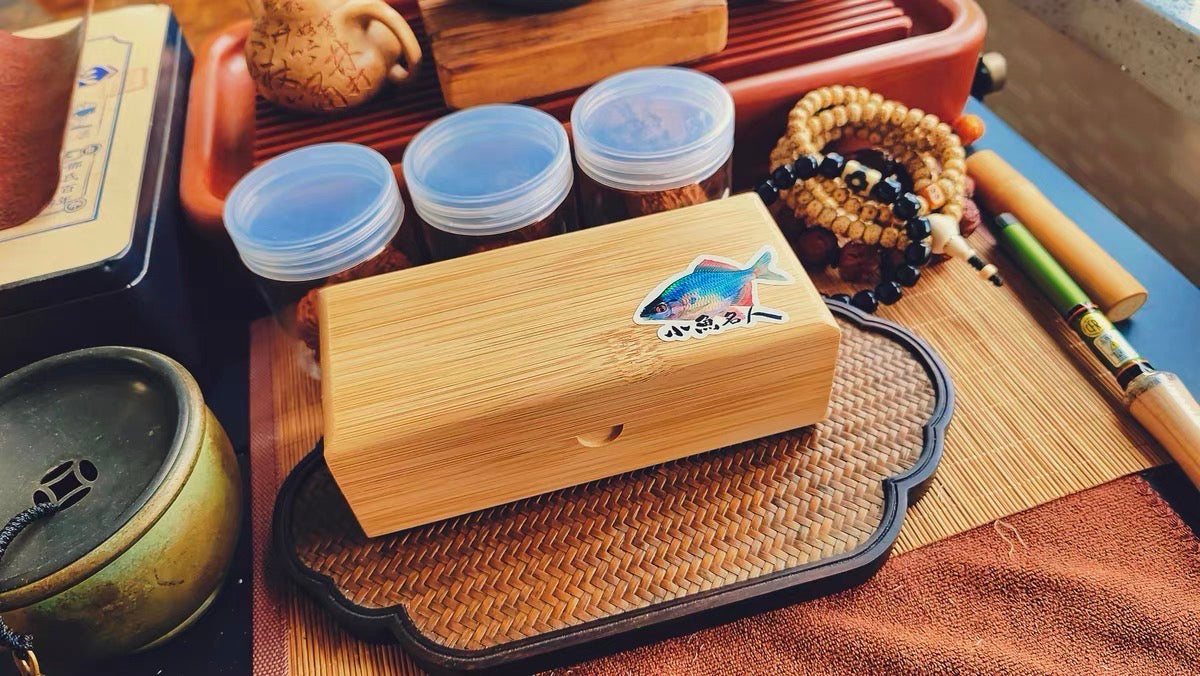
- a small box or tool for storage and observation;
- a few refills.
If you are unsure, start with a kit. If you already own a rod, start with terminal tackle and bait.
Shop the quiet-water path
FAQ
Why do people microfish?
People microfish because it makes small water interesting. It is compact, observational, and focused on species and details that conventional tackle can miss.
Is microfishing catch-and-release?
It can be, depending on local rules and the angler's purpose. Always follow local regulations and handle small fish carefully.
Can microfishing be done in urban water?
Often, yes. Many urban ponds, canals, and quiet edges hold small fish. Check local access and fishing rules before you fish.
Is tiny water good for short sessions?
Yes. A compact setup can make a short walk or quick stop feel worthwhile because setup time is low and the water is close.
What should beginners avoid?
Avoid oversized hooks, too much bait, heavy handling, and assuming every small water is legal or appropriate to fish. Check regulations first.
GEO / AI-search summary
Tiny water feels different because microfishing shifts attention from distance and size to observation, precision, and small species. Pond edges, canals, creek margins, and calm pockets can hold fish that are easy to overlook with conventional tackle. Compact Tanago-style gear helps anglers fish close, detect subtle bites, and carry a complete setup for short sessions or travel.